

 Print
Print  Share
Share  Text
Text  To reset, hold the Ctrl key, then press 0.
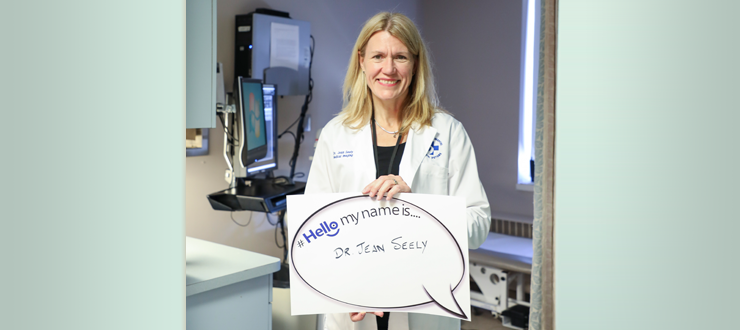
Dr. Jean Seely is one of the many doctors who helps patients through cancer treatment at The Ottawa Hospital.
When Brenda went for what she thought was a routine mammogram, her mind was elsewhere. It was just weeks after her mother had passed away, and she was thinking about the celebration of life.
When the doctors told her they found something irregular, Brenda (who did not want her last name included) wasn’t sure what to do next. Thankfully, Dr. Jean Seely, head of breast imaging at The Ottawa Hospital, was there to go over all the possible next steps.
“I was given options, such as having a biopsy, but I had so many questions,” said Brenda. “After Dr. Seely outlined everything I needed to know, I decided that a biopsy was the right move.”
By now, many women and men are aware that breast cancer is the leading cancer among women over age 35. One in eight women will get breast cancer in her lifetime. One in 25 will die from it.
But did you know that 20 percent of all breast cancers were noninvasive? Did you know that screening can help detect these cancers before they become invasive?
What Brenda’s screening found was very small. After the biopsy and a surgery to remove the remaining cells, her treatment was complete. Throughout what was a very stressful time, Brenda credits the entire health care team for helping her through the ordeal.
“Going into my first meeting with my surgeon, I was anxious and overwhelmed. Afterwards, I felt confident and much better about my situation,” she said.
Brenda’s cancer is known as DCIS – ductal carcinoma in situ. It’s a noninvasive form of breast cancer that makes up about 20 percent of all breast cancers. DCIS is often found through screening. It becomes invasive and progresses about half the time. The earlier it is found, the faster treatment can start, and the less likely it is to become invasive. This also means that the treatment will be less aggressive for the patient.
Dr. Seely invites anyone who hasn’t been screened to schedule a mammogram every one to two years. If someone has noticed changes in their body, they should schedule a mammogram but let their doctor know so that a more specialized mammogram, called a diagnostic mammogram, will be done.
“Our goal is to pick up a breast cancer before it is felt,” said Dr. Seely. “If you notice something different about your body, or haven’t been screened in a while, make that appointment. The importance of early detection in cancer cannot be understated. The earlier it is found, the faster treatment can start, and the higher the likelihood of a positive outcome.”
The Ontario Breast Cancer Screening Program has 14 sites throughout the Champlain region. Residents have many options to schedule screenings or appointments with experts. During Breast Cancer Awareness Month, The Ottawa Hospital is encouraging everyone to pay attention to their body, and ask their doctor questions if something feels off. It could end up being the decision that saves your life.

Support patient care and research at
The Ottawa Hospital
You might also like…

How a single act of service 25 years ago turned into a movement for the Deaf community
Monica Elaine Campbell never planned to work in health care, but what started with one patient turned into over two decades of impact. She has helped transform health care for the Deaf community, improving access, communication and dignity for Deaf patients across Ottawa.
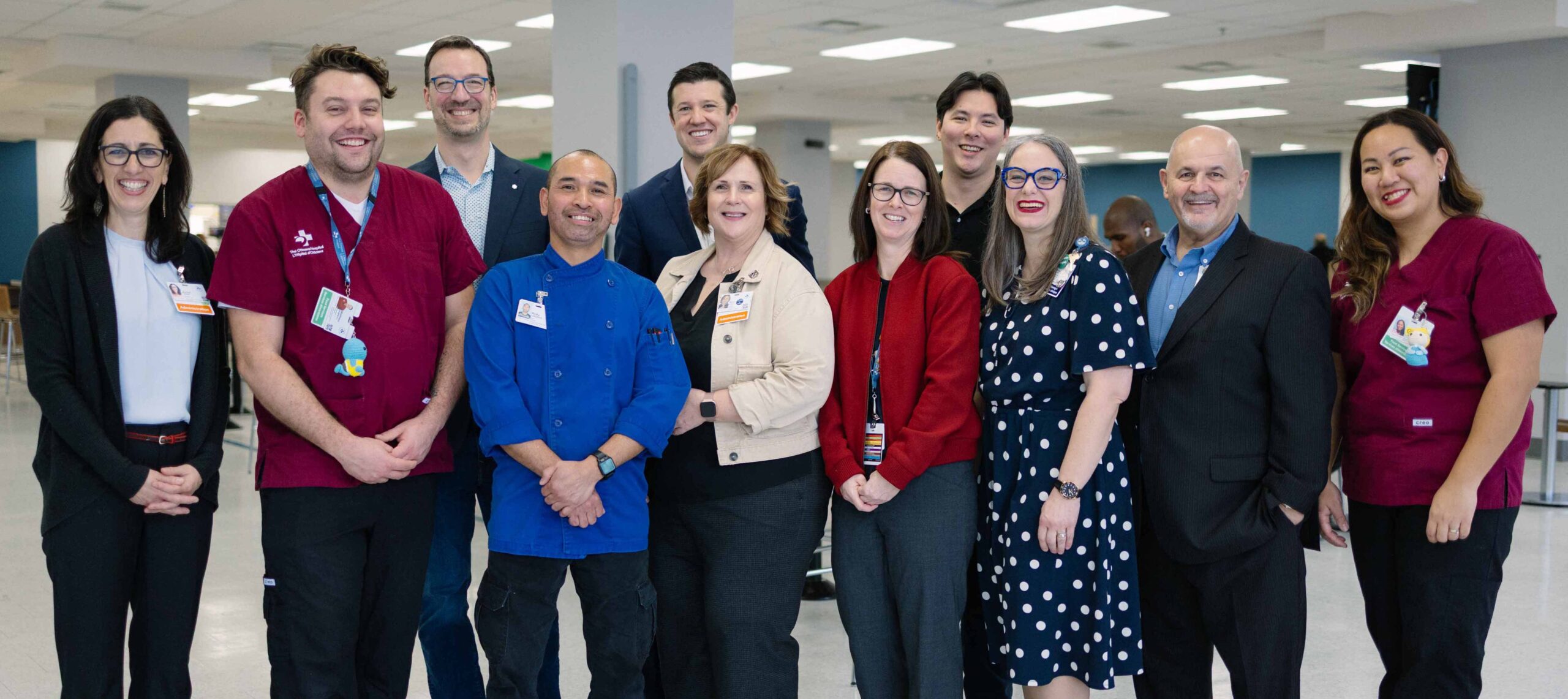
Reimagining hospital food: How The Ottawa Hospital is transforming the patient mealtime experience
In 2024, we launched the trial phase of our Patient Food Transformation Project. The goal was to see if it is possible to improve the overall nutrition and quality of food we serve to our patients, while increasing bedside hospitality, enhancing the overall sustainability of our food services, and not increasing operational costs. Our trial wrapped in 2025 with very promising results.
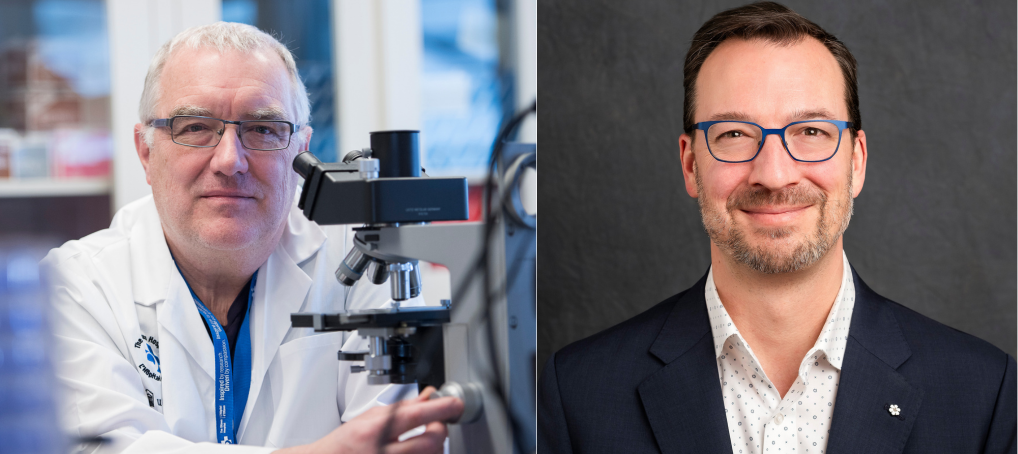
Dr. John Bell and Stephen Beckta inducted into the Order of Canada
The Ottawa Hospital is proud to share that on December 31, 2025, two members of our team were inducted into the Order of Canada. Congratulations Dr. John Bell and Stephen Beckta.
Living with chronic pain? This online tool offers help — and hope
The Power Over Pain Portal is a free virtual resource hub designed to help empower youth and adults living with chronic pain through education and peer support.

What to do in an emergency: New first aid video series on YouTube
Would you know what to do if you saw someone experience a stroke, heart attack or opioid overdose? We’ve launched a series of easy-to-follow videos on YouTube that walk you through how to respond to common first aid emergencies.

Flu season 101: A quick guide to keeping the sniffles away
Got two minutes? This short guide could help you make it through flu season without stocking up on tissues.