

 Print
Print  Share
Share  Text
Text  To reset, hold the Ctrl key, then press 0.
Coronary artery disease is the most common form of heart disease and one of the leading causes of death worldwide.
Coronary artery disease (CAD) occurs when the coronary arteries, which supply blood to the heart muscle, become narrowed or blocked due to plaque buildup. Common symptoms include chest pain (angina) and shortness of breath, which result from reduced blood flow to the heart. If left untreated, CAD can lead to serious complications such as heart attacks.
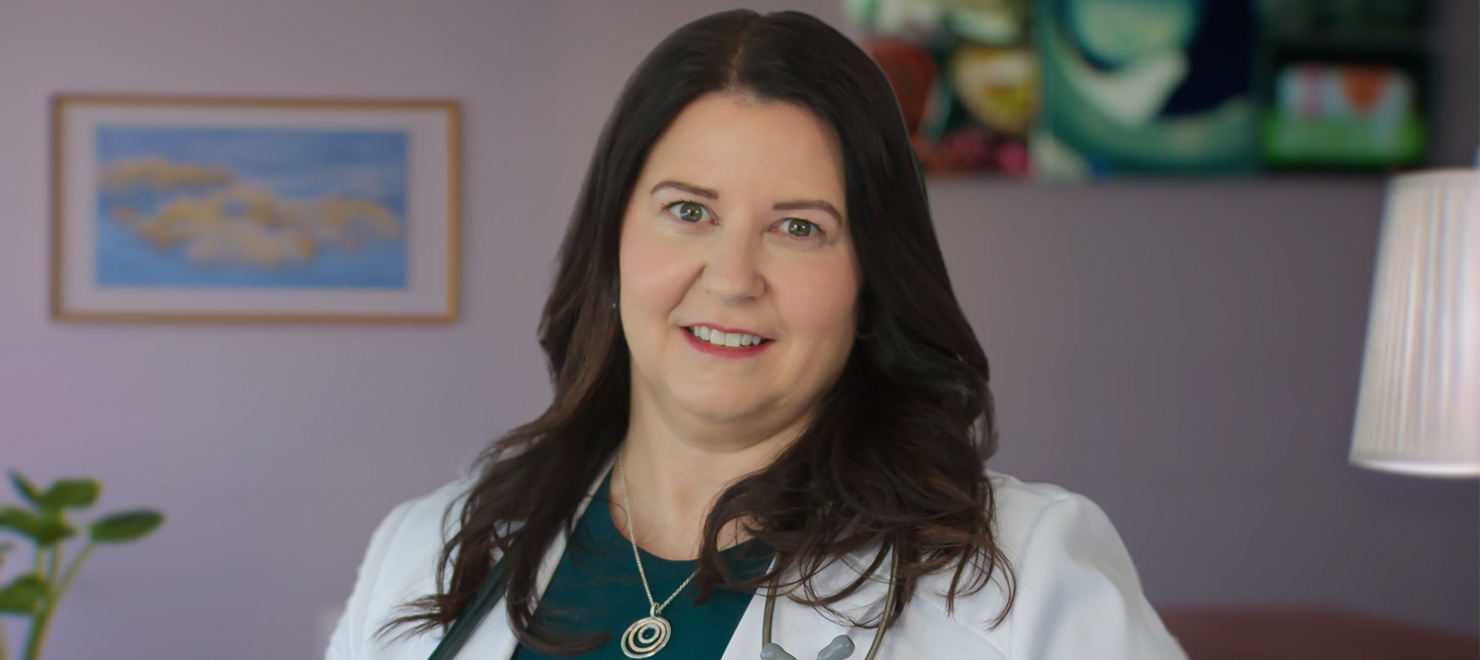
In this video, Cardiologist Dr. Nadine Gauthier shares risk factors, symptoms, treatment options and how to adopt a heart-healthy lifestyle.

Support patient care and research at
The Ottawa Hospital
You might also like…

Living with chronic pain? This online tool offers help — and hope
The Power Over Pain Portal is a free virtual resource hub designed to help empower youth and adults living with chronic pain through education and peer support.

What to do in an emergency: New first aid video series on YouTube
Would you know what to do if you saw someone experience a stroke, heart attack or opioid overdose? We’ve launched a series of easy-to-follow videos on YouTube that walk you through how to respond to common first aid emergencies.

Flu season 101: A quick guide to keeping the sniffles away
Got two minutes? This short guide could help you make it through flu season without stocking up on tissues.

Aging well: Guidance for older adults
In this special video series for both older adults and their loved ones, geriatric care specialists from The Ottawa Hospital offer guidance on navigating common health-care challenges that may arise with aging.

How to stay safe around water this summer
Drowning can happen to anyone — even strong swimmers. Emergency physician Dr. Christian Vaillancourt debunks common myths about drowning, explains how to act quickly to save a life, and shares what you can do to keep yourself and your loved ones safe around water.

What’s the difference between an optician, optometrist, orthoptist and ophthalmologist?
“Do I need to see an optician, optometrist, orthoptist or ophthalmologist?” We asked Ophthalmologist Dr. Annick Fournier to break down each role so you will know who to consult for your specific eye care needs.