

 Print
Print  Share
Share  Text
Text  To reset, hold the Ctrl key, then press 0.
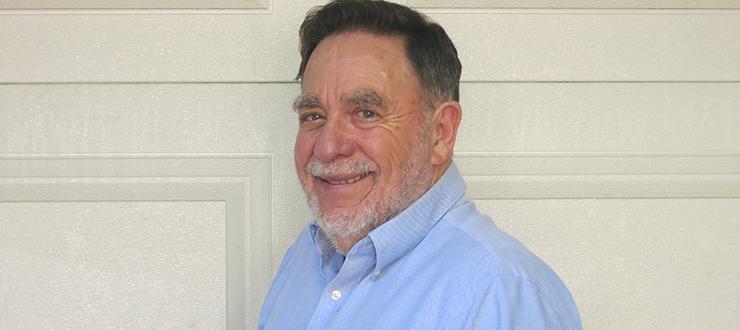
Dr. Les Melamed had a front-row seat on 30 years of research advances during his time on the Ottawa Health Science Network Research Ethics Board.
For 30 years, Dr. Les Melamed read research proposals and asked himself, “If I were a patient, would I want to be part of this study?”
By putting himself in patients’ shoes, he could consider what they would think of a study if it was presented to them. Was it explained in a way they could understand? Were they given enough information to make an informed decision?
“The protection of participants, their privacy and their welfare, is very important,” said Dr. Melamed, who holds a Ph.D. in industrial psychology. “You could see how much the hospital staff on the board cared about the people taking part in these studies.”
During his time volunteering on the Ottawa Health Science Network Research Ethics Board, he helped approve hundreds of research studies at The Ottawa Hospital and the University of Ottawa Heart Institute. He had a front-row seat to many research advances, including new treatments for HIV, world-famous decision rules for the emergency department, and surfactants to help premature babies breathe better.
As a community representative on the board, Dr. Melamed met regularly with other board members, including health-care providers and researchers, to help weigh the benefits and risks of research proposals involving patients or their data. Every study at The Ottawa Hospital and the University of Ottawa goes through this process.
Dr. Melamed has a background in industrial psychology and statistics, and in his professional life, he worked in several marketing and research positions. He brought this combination of training and experience to the hospital.
“I was heavily involved in the design of large-scale studies,” said Dr. Melamed, who recently retired from his volunteer work with the ethics board. “It was a way of making a contribution in a relatively unique way because of my technical skills.”
Dr. Melamed was particularly interested in whether a study was designed to answer the question it set out to answer. For example, the greater the number of patients in a study, the more applicable the results are to the wider community. If you have too few patients in a study, your results may be limited and you may not be able to answer the study question. However, recruiting large numbers patients for studies is often difficult, especially in cases of rare diseases or conditions.
While he jokes that, after 30 years, he still knows nothing about medicine, he had to learn about dozens of different specialities and keep up to date on the latest treatments.
“One of the characteristics of a good research ethics board member is that they like to learn, and Les definitely fit that bill,” said Dr. Saginur, Chair of the board. “Another aspect is not being intimidated by sitting in a room full of doctors and scientists. Les was good at expressing his opinion freely.”
“Research leads to better care,” said Dr. Melamed. “And that hopefully leads to better outcomes for people like me.”
Learn more about taking part in research at The Ottawa Hospital.
Donate to research at The Ottawa Hospital.

Support patient care and research at
The Ottawa Hospital
You might also like…
Behind your prescription: A brief med-ucation from The Ottawa Hospital’s pharmacy team
From admission to discharge, managing medications safely and accurately in hospital takes careful planning and clinical expertise, along with a good dose of teamwork between pharmacy teams, patients, families and caregivers.
Reimagining hospital food: How The Ottawa Hospital is transforming the patient mealtime experience
In 2024, we launched the trial phase of our Patient Food Transformation Project. The goal was to see if it is possible to improve the overall nutrition and quality of food we serve to our patients, while increasing bedside hospitality, enhancing the overall sustainability of our food services, and not increasing operational costs. Our trial wrapped in 2025 with very promising results.
Dr. John Bell and Stephen Beckta inducted into the Order of Canada
The Ottawa Hospital is proud to share that on December 31, 2025, two members of our team were inducted into the Order of Canada. Congratulations Dr. John Bell and Stephen Beckta.
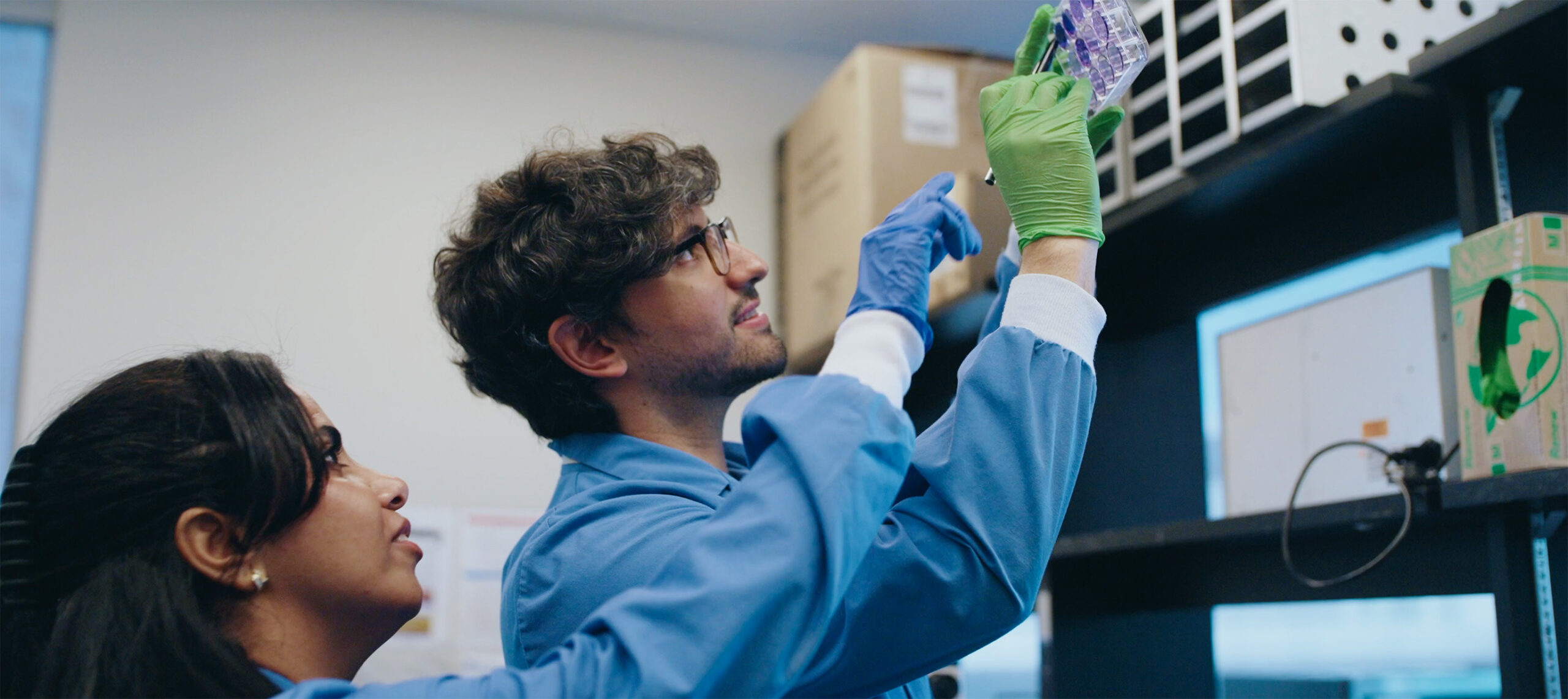
Everyone at our hospital plays a role in research. Here’s how
It’s Research Week at The Ottawa Hospital. Check out this video to hear from some of the incredible people fuelling our discoveries that are having an impact around the world.
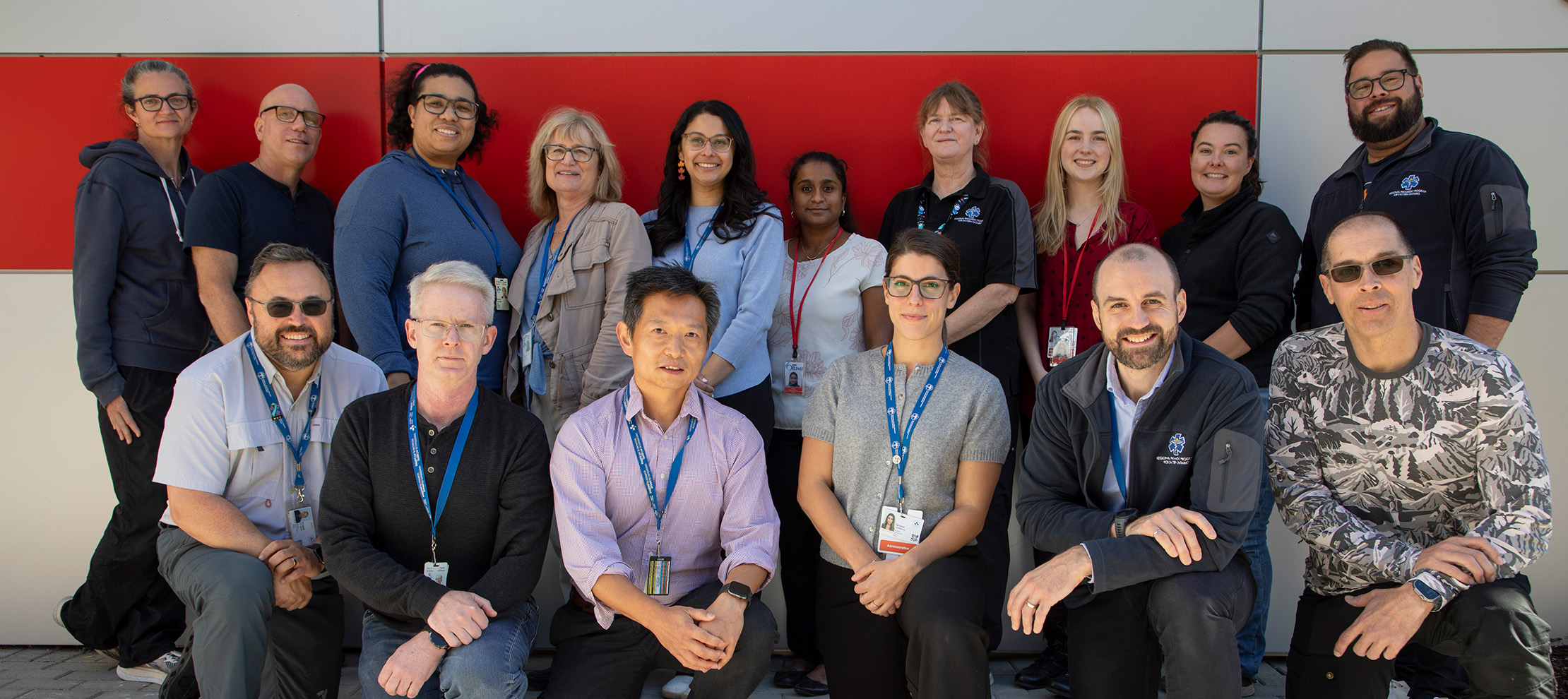
How we’re helping over 1,400 paramedics enhance patient care and safety
The Regional Paramedic Program for Eastern Ontario (RPPEO) is on a mission to enhance what happens after you dial 911. Here are three new ways this team is helping paramedics deliver better, safer care to their patients.
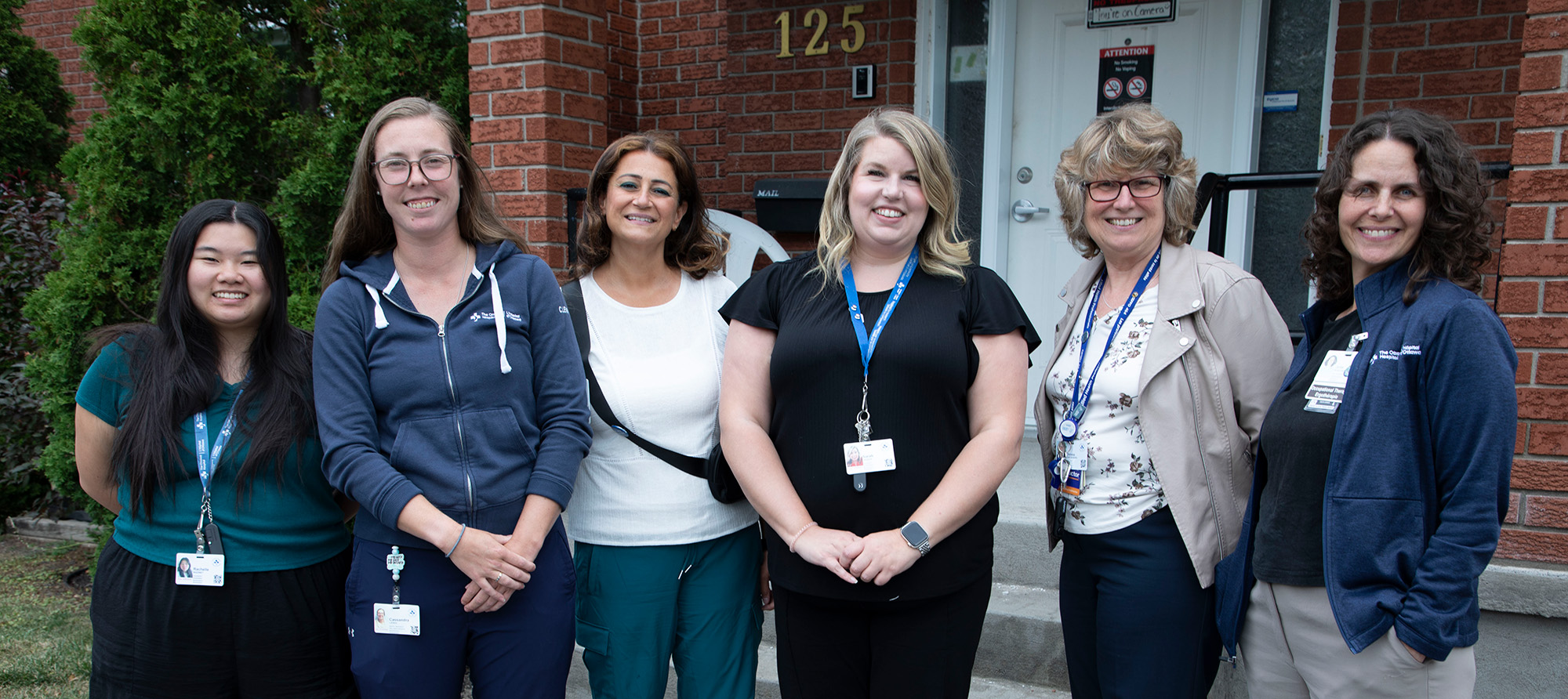
How the Robin Easey Centre supports recovery after a brain injury
“When our clients have a purpose — even something as simple as a meaningful activity — it gives them new hope in life.” In this short Q&A, discover how the team at the Robin Easey Centre helps clients rebuild their daily routines and regain their independence after an acquired brain injury.