

 Print
Print  Share
Share  Text
Text  To reset, hold the Ctrl key, then press 0.
Take a moment to imagine a food tray filled with a fresh chicken and baby kale Caesar salad with puffed quinoa and chickpeas, homemade bone broth, or sausage gnocchi with peppers and spinach pesto. Is your mouth watering yet?
It’s not lost on us that “good food” and “hospital” are words that you rarely ever see in the same sentence. But The Ottawa Hospital (TOH) is on a mission to change that. With help from a renowned Ottawa restaurateur, we are reimagining the patient food experience, and these are just a few meals that appeared on our prototype menu.
In 2024, we launched the trial phase of our Patient Food Transformation Project. The goal was to see if it is possible to improve the overall nutrition and quality of food we serve to our patients, while increasing bedside hospitality, enhancing the overall sustainability of our food services, and not increasing operational costs.
Our trial wrapped in 2025 with very promising results. So promising in fact, that the project recently won a prestigious provincial award for hospital innovation.
The need for better patient nutrition in hospitals
Reimagining food at a hospital as large as ours is no easy feat. Our Patient Food Services team serves more than 3,000 meals a day to roughly 1,200 patients. It takes an incredible team of nearly 400 employees, including cooks, attendants, servers, porters and registered dietitians.
When the quality of our food was called into question in a very public way a few years ago, we knew something needed to change. But further to this, studies are showing that the inadequate patient nutrition at Canadian hospitals is endemic.
“For those admitted to Canadian hospitals, data shows that 45 per cent of patients who stay two days or longer are moderately to severely malnourished,” says Dr. Barbara Bielawska, Gastroenterologist & Medical Lead for inpatient nutrition at The Ottawa Hospital.
She adds that these are the patients who end up staying in the hospital longer and have more complications.
A gourmet vision for the hospital patient food experience
Lucky for us, one of the very best agreed to take on a part-time role and lend us a hand.
Stephen Beckta owns and operates several fine-dining restaurants that have received acclaim in publications such as The New York Times and have been featured in multiple noteworthy top 100 lists. Most recently, he was named a member of the Order of Canada.
He had personal motivations for wanting to join this project.
“I always believed instinctually that food should be viewed as medicine,” he says. “But when my mother passed away from liver cancer 20 years ago, I was driven to understand more about what types of foods could impact health, both positively and negatively.”
From our team’s perspective, it was a perfect fit from the start.
“He came to us with a vision of how to make it different for patients and improve health care through food,” says Kevin Peters, Director of Emergency Care (formerly executive director, clinical operations). “That vision, combined with a deep passion for hospitality, and a keen eye for managing costs is just what we needed to get this project off the ground.”
To expand his understanding of patient food, Beckta visited a number of Canadian and American health organizations, including Stanford Hospital and Stanford University, the NYU Langone Health in Manhattan, the New York Health + Hospitals headquarters in Brooklyn, and several hospitals in the greater Toronto area.
“I took so much away from the team at the Sonnenburg Lab for microbiology at Stanford,” he says. “But I think I learned the most from the remarkable dietetics team at TOH, who all had a large role in shaping this transformation project.”
Demonstrating proof in the pudding with “bulletproof” results
The first part of the trial ran for two weeks in the fall of 2024. Fresh, high-protein fruit smoothies and homemade bone broth were added to the menu for a select number of patients. The focus during phase one was just on beverages to see if enough could be saved from beverage waste to invest back into higher quality nutrition.
“Continuous improvement is built in to how we work in hospital operations. So, while this project was a little bit different than what we have done in the past, we were able to implement this trial without added cost to the hospital,” says Michael LeJeune, Director, Clinical Support Services.
The second trial period ran in the spring of 2025. This trial included freshly prepared meals, which were served to in-patients in two general medical wards and two oncology wards at our General Campus. All meals were made with whole ingredients and had no ultra-processed foods or added sugars. The menu included options like freshly made falafel with tabouli salad, and Asian coconut and tomato chicken.
“It’s totally different than usual. All of them were good,” says patient Anna Rechberger. “My family also tried it, and ‘ooh,’ they said, ‘that’s good food!’”
To prove that the trial was successful, Stephen and the team worked hard to make sure their data was “bulletproof.”
During the second trial period, the team surveyed almost 4,000 trays from 65 patients per meal period over 20 days. For 10 days they served our regular menu, and for 10 days they served the trial food and beverages and compared the results. For each tray that was served, the team measured the percentage of food and beverages that were consumed, along with the amount of protein, calories and fiber. They discovered that during the trial, calorie intake by patients went up by nine per cent, protein by 10 per cent and fibre by 40 per cent over the current menu. Furthermore, they reduced packaging waste by 95 per cent.
The future of hospital patient meals and nutrition
In December 2025, the Patient Food Transformation Project won the Ontario Cancer Innovation Award from the Cancer Quality Council of Ontario and the Canadian Cancer Society.
“Implementing change doesn’t happen overnight. It’s a process, and we have already started implementing some of the findings of this trial in our daily processes,” says Michael.
“The plan for 2026 is to continue to focus on healthier foods that increase calories, protein and fibre without the use of sugars or processed foods,” he says.
Looking to the future, with a new and modern hospital campus on the horizon, the findings from these food trials are the first step in reimagining the status quo.
For Stephen, this is a passion project that has only just begun.
“I believe so strongly now that when administered properly, the right food can heal you,” he says. “I also feel very strongly that The Ottawa Hospital can be a leader of this philosophy in Canada and beyond.”
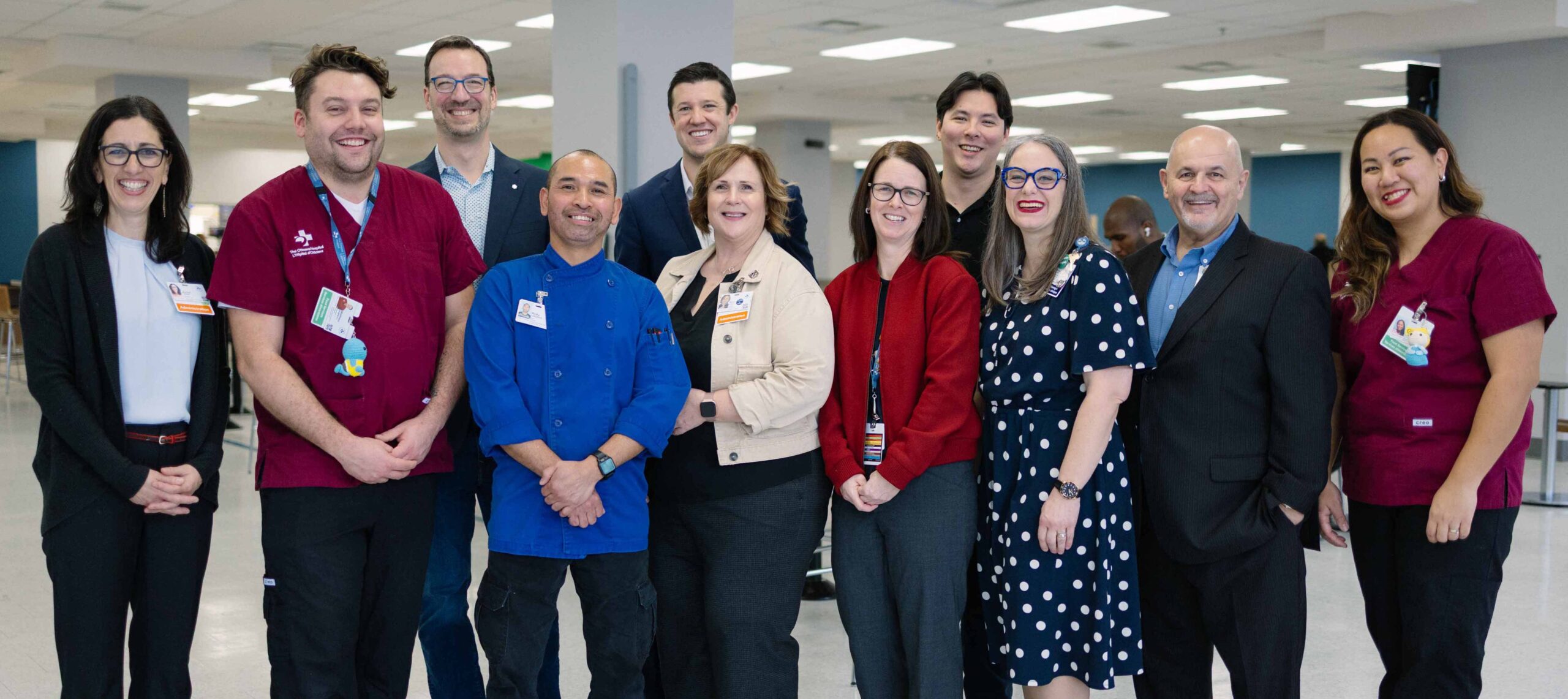
Reimagining patient food and nutrition has been a full team effort. Banner image (left to right): Avital Winer, Professional Practice Manager Dietetics, Speech-Language Pathology & Audiology; Mathieu Babineau, Server; Stephen Beckta, Food Transformation Specialist; Ricky Cardiente, Cook; Michael LeJeune, Director, Clinical Support Services; Ann Rivet, Manager, Patient Food Services; Rebecca Wylie, Lead, Food and Nutrition; Maxwell Chew, Advisor, Food and Nutrition; Angela Blasutti-Boisvert, Manager, Malignant Hematology & MDCU; Michel Knight, Manager, Patient Food Services; Gina Lam, Server.

Support patient care and research at
The Ottawa Hospital
You might also like…
Dr. Kathleen Gartke appointed to the Order of Ontario
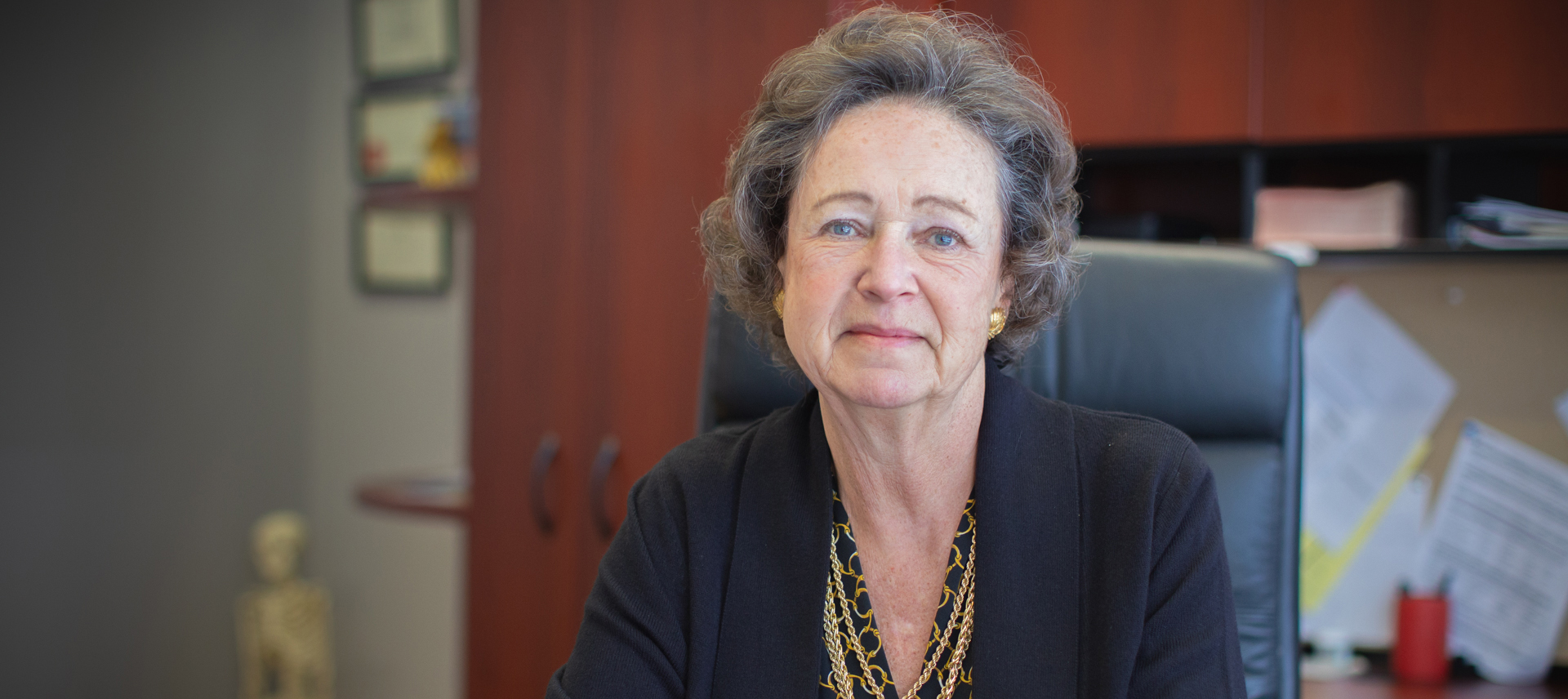
The Ottawa Hospital is proud to share that Dr. Kathleen Gartke has recently been appointed to the Order of Ontario, the province’s highest honour. A pioneering orthopedic surgeon, Dr. Gartke has been recognized for advancing patient care and women’s leadership in medicine.
Everyone at our hospital plays a role in research. Here’s how
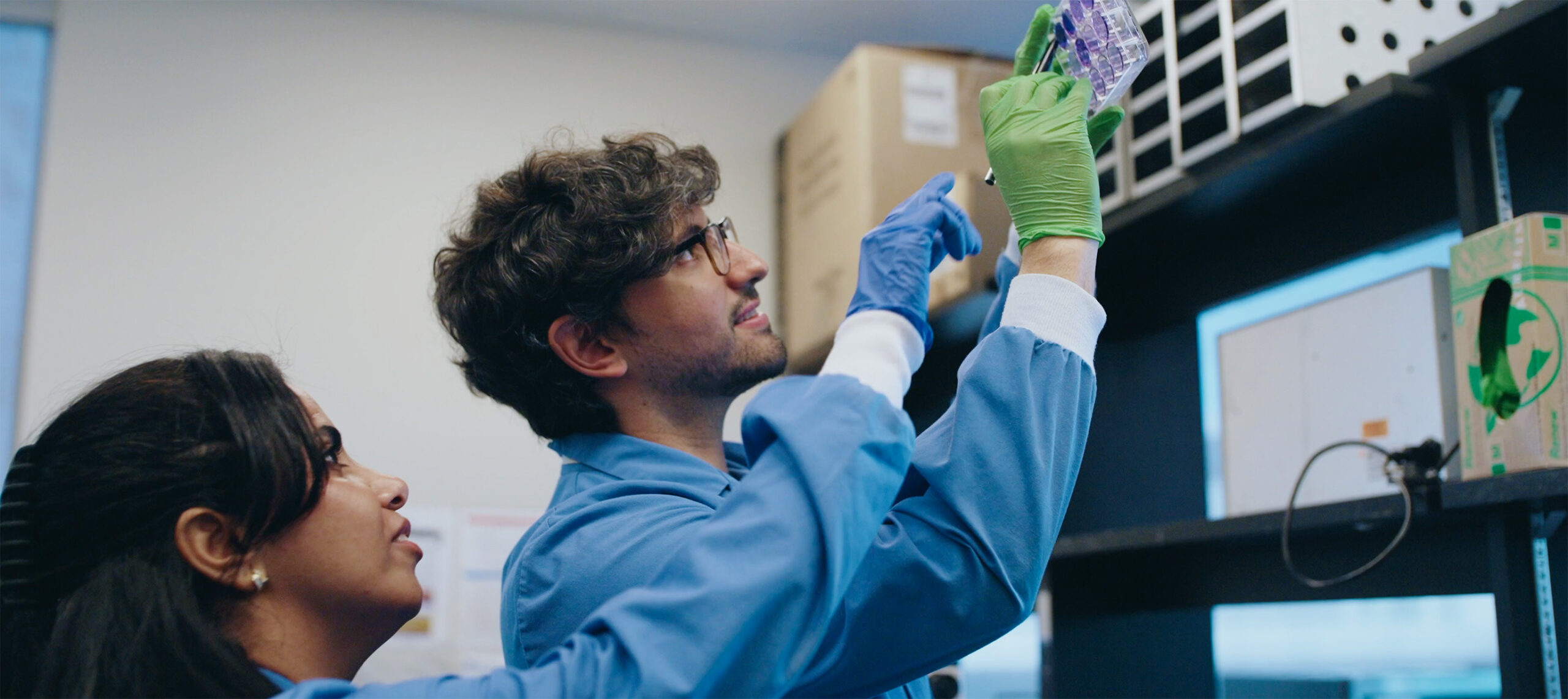
It’s Research Week at The Ottawa Hospital. Check out this video to hear from some of the incredible people fuelling our discoveries that are having an impact around the world.
How we’re helping over 1,400 paramedics enhance patient care and safety
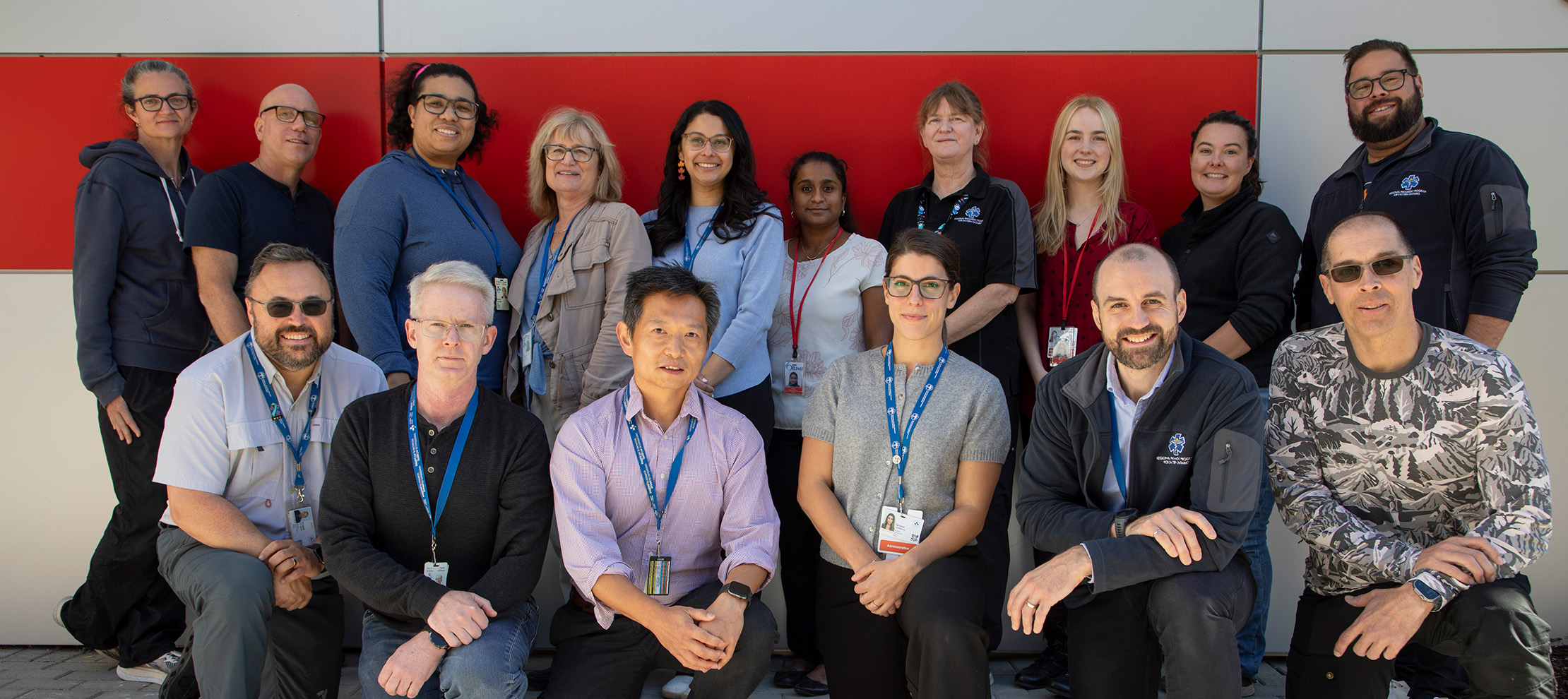
The Regional Paramedic Program for Eastern Ontario (RPPEO) is on a mission to enhance what happens after you dial 911. Here are three new ways this team is helping paramedics deliver better, safer care to their patients.
How the Robin Easey Centre supports recovery after a brain injury
“When our clients have a purpose — even something as simple as a meaningful activity — it gives them new hope in life.” In this short Q&A, discover how the team at the Robin Easey Centre helps clients rebuild their daily routines and regain their independence after an acquired brain injury.
New program fills gap in care for teens and young adults with cancer
For young people, a cancer diagnosis can disrupt their education, careers, relationships and family-building goals. Our Adolescent and Young Adult (AYA) Cancer Program supports AYAs on their cancer journey, complementing the care provided by their care team.
Less time charting means more time with patients: How The Ottawa Hospital is using AI to support patient care
“I’m seeing and treating more patients.” Find out how DAX Copilot, a powerful AI assistant, is helping our physicians cut down on paperwork, improve their own well-being and spend more time with patients.