

 Print
Print  Share
Share  Text
Text  To reset, hold the Ctrl key, then press 0.
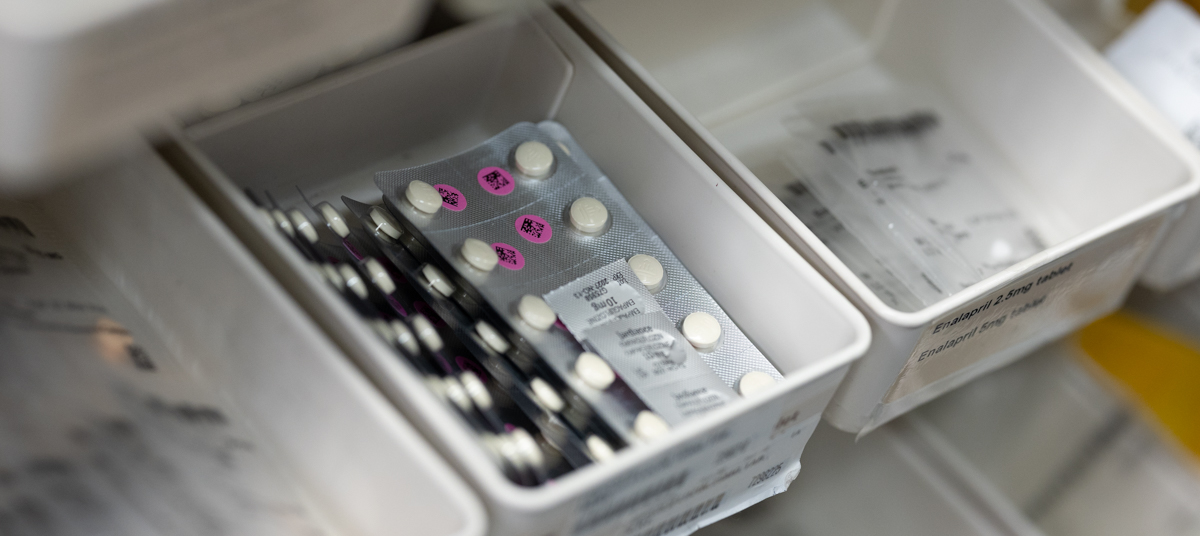
Getting medications right is essential to patient care and safety, and our hospital pharmacists and pharmacy technicians play a critical role in making that happen every day.
While continuing home medications in hospital may seem straightforward, it requires careful planning and clinical assessment behind the scenes.
And you, yes you, dear reader, play an important part in this process.
First off, what is medication reconciliation?
This process is a careful review and comparison of all the medications you take with your current medical orders, as well as dosage and frequency. This includes all prescriptions, over-the-counter products, vitamins and herbal supplements. The goal is to ensure your medication regimen is accurate, effective and safe.
Medication reconciliation helps prevent missed doses, duplicate therapies, dosing errors and drug interactions during hospital admission, transfer or discharge.
How can you help?
Patients play an important role in keeping their medication information accurate. We’ve created a handy checklist below that can help you stay on track — be sure to share it with your family or caregiver.
- Bring an up-to-date medication list or medication bottles to every appointment or hospital visit. Include the dose, frequency (how often you take it) and any recent changes. Don’t forget items like injections, creams or ointments, eye drops and ear drops.
- Know why you take each medication.
- Keep your medication list updated in MyChart and review it regularly.
- Carry a copy of your medication list with you or keep it somewhere easy to find at home.
- Make sure a family member or caregiver knows where to find your list in case they need to share it.
- Tell your health-care team if you think you missed a dose of one of your home medications while in hospital.
- Use one pharmacy whenever possible so they have a complete record of your medication.
- Report any medication allergies or past reactions to your health-care providers.
- Remember that you may be asked about your medications more than once during a hospital visit. This is intentional and helps ensure your medication information is correct and safe.

Support patient care and research at
The Ottawa Hospital
You might also like…
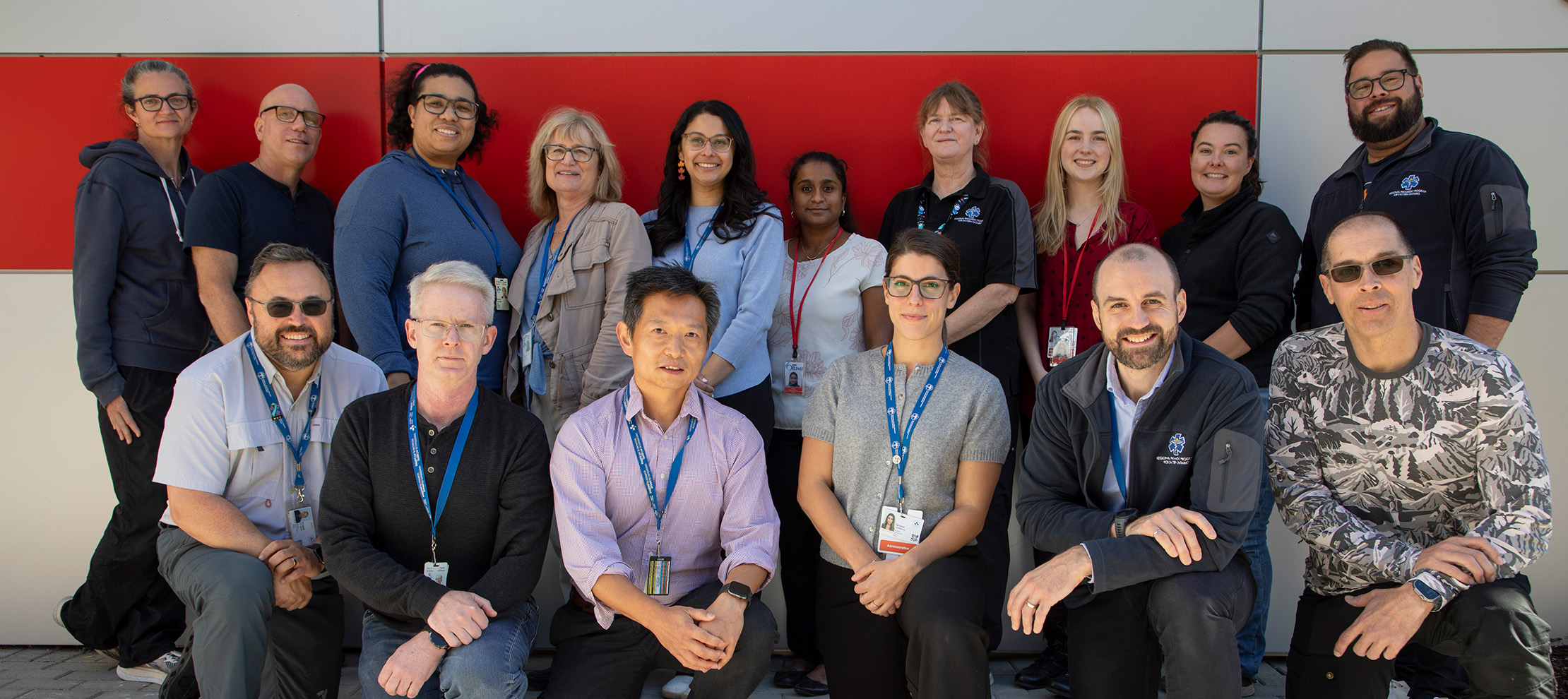
How we’re helping over 1,400 paramedics enhance patient care and safety
The Regional Paramedic Program for Eastern Ontario (RPPEO) is on a mission to enhance what happens after you dial 911. Here are three new ways this team is helping paramedics deliver better, safer care to their patients.

What to do in an emergency: New first aid video series on YouTube
Would you know what to do if you saw someone experience a stroke, heart attack or opioid overdose? We’ve launched a series of easy-to-follow videos on YouTube that walk you through how to respond to common first aid emergencies.

Aging well: Guidance for older adults
In this special video series for both older adults and their loved ones, geriatric care specialists from The Ottawa Hospital offer guidance on navigating common health-care challenges that may arise with aging.

How to stay safe around water this summer
Drowning can happen to anyone — even strong swimmers. Emergency physician Dr. Christian Vaillancourt debunks common myths about drowning, explains how to act quickly to save a life, and shares what you can do to keep yourself and your loved ones safe around water.

What’s the difference between an optician, optometrist, orthoptist and ophthalmologist?
“Do I need to see an optician, optometrist, orthoptist or ophthalmologist?” We asked Ophthalmologist Dr. Annick Fournier to break down each role so you will know who to consult for your specific eye care needs.
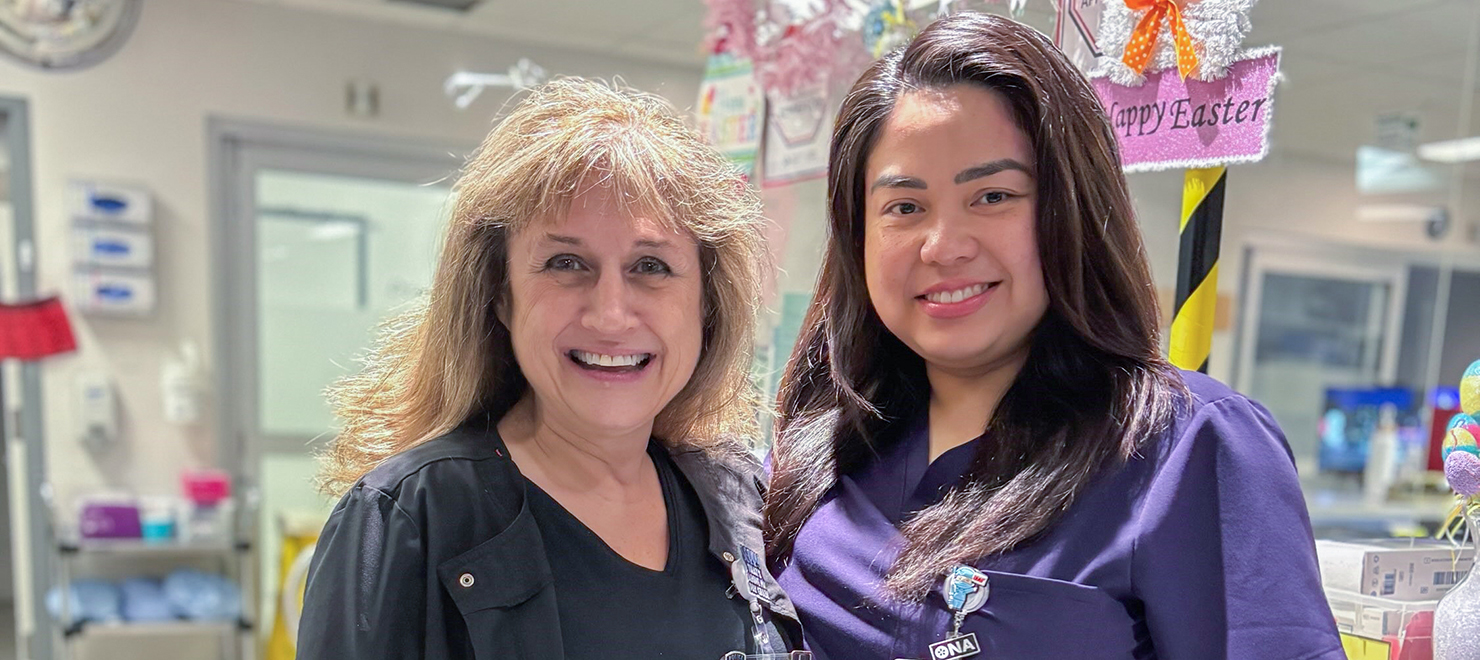
Novice nurses and their mentors learn and grow together
Discover how mentorships at The Ottawa Hospital facilitate a smoother transition into practice for novice nurses, allow experienced nurses to hone their leadership skills, and play a crucial role in retaining nurses from both generations.